The beach is the route
Beyond the pavement, Padre Island’s coastline becomes the road to its remote reaches. Little Shell Beach, Big Shell Beach, Yarborough Pass, and Mansfield Channel are among the park areas accessible only by driving along the wild beach. Conditions vary by location, weather, and tide, so the route is not a fixed-distance outing: the shoreline itself can change while you travel. NPS
Driving is permitted on North and South Beach when conditions allow. Four-wheel drive is recommended for travel beyond pavement, and beach driving is at the driver’s risk. A valid driver’s license and a vehicle with registration and plates valid for public highway travel are required; an OHV plate alone does not qualify, and unregistered OHVs are prohibited. NPS
Plan for self-sufficiency
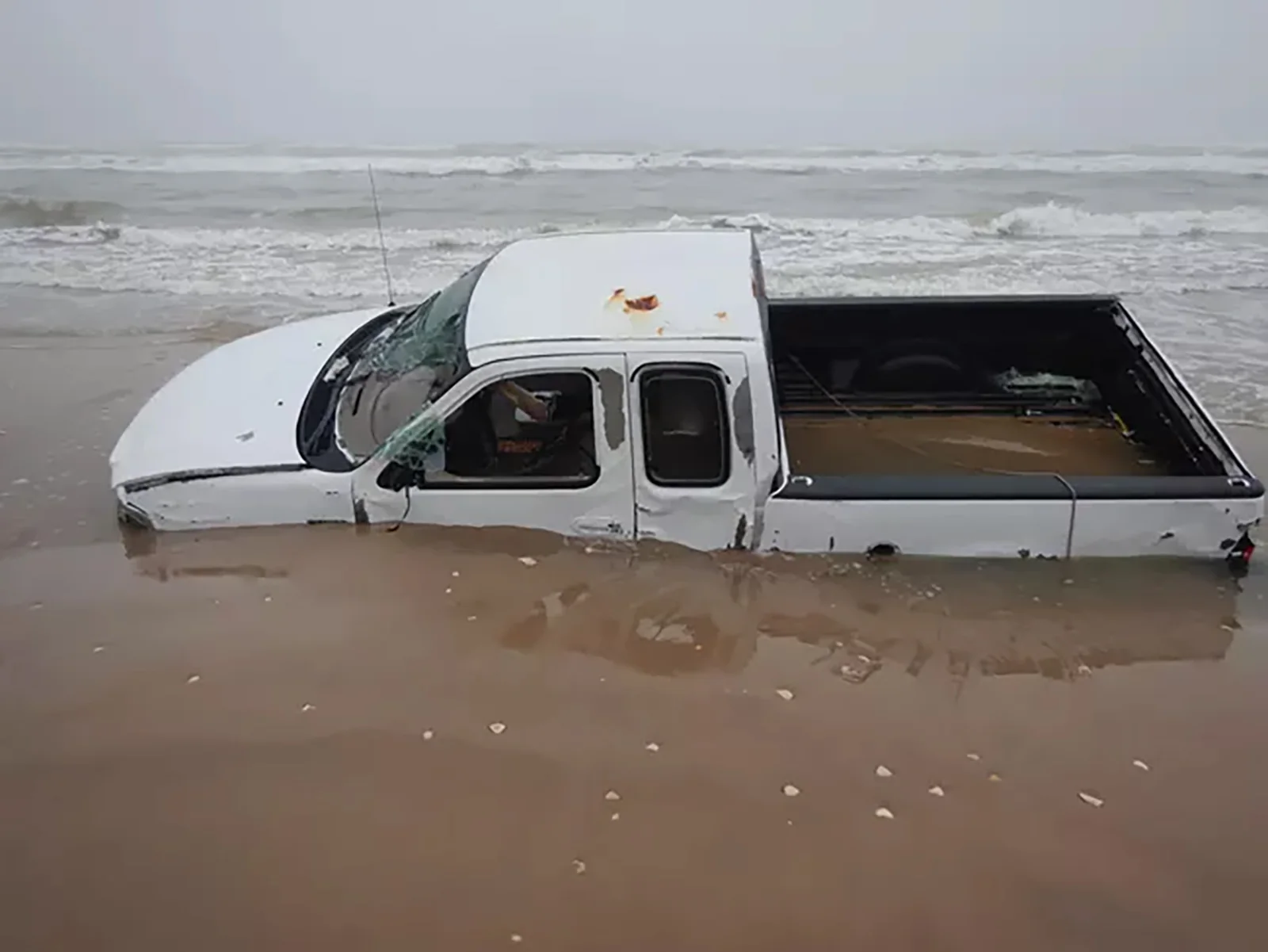
Before setting out, check park alerts, weather, and predicted tides, and inspect the vehicle and supplies. Tell someone your plan before entering the park. Cell service is unreliable down island, and reaching a signal may require climbing a dune; for an emergency, call 911 or notify a ranger. The park does not tow non-government vehicles, and a private tow down island can cost several hundred to several thousand dollars. NPS
The beach holds hazards that make a slower, attentive drive essential: high tides can leave trees and large debris, Gulf tides and currents can create sharp drop-offs, and sharp objects may be present. Wildlife, pedestrians, and children near parked vehicles or campsites also share the roadway. Keep the main lane clear when stopping, and remember northbound traffic has the right of way. NPS
Stay on the beach corridor
The route has clear boundaries. Do not drive behind dunes, across vegetated beach, or onto tidal flats and wetlands. All traffic laws apply because Texas beaches are public highways, including seat-belt rules. The posted speed limits change by stretch and season: from mile marker 0 to MM-2.5, the limit is 15 MPH year-round; from MM-2.5 to MM-60, the seasonal limits differ between the day after Labor Day through the end of February and March 1 to Labor Day. NPS
Parking or camping can narrow the usable corridor, so keep the main driving lane open. The practical effect is that stops should be chosen with passing traffic in mind, especially where the beach is busy or the sand and tide leave less room. Conditions determine where driving is allowed, and the park’s permission to drive does not remove the need to assess the surface as it changes. NPS
A seasonal wildlife crossing
During sea turtle nesting season, April to August, nesting turtles may cross the beach by day or night. If one appears, leave it undisturbed, mark the area, and report it promptly to a ranger. That seasonal possibility belongs in trip planning alongside tides and weather: the beach is both a travel corridor and habitat. NPS
Leashed pets are allowed on park beaches, campgrounds, trails, and boardwalks, with a leash up to 6 feet. The park advises against bringing disruptive or aggressive pets to the Malaquite Visitor Center deck and boardwalk, and the short beach stretch in front of the center. For a down-island drive, the useful preparation is straightforward: suitable registered vehicle, tide and alert check, supplies, and a plan shared before cell service fades. NPS
Sources & further reading
Sources, dates, or details to query? Read our editorial approach.