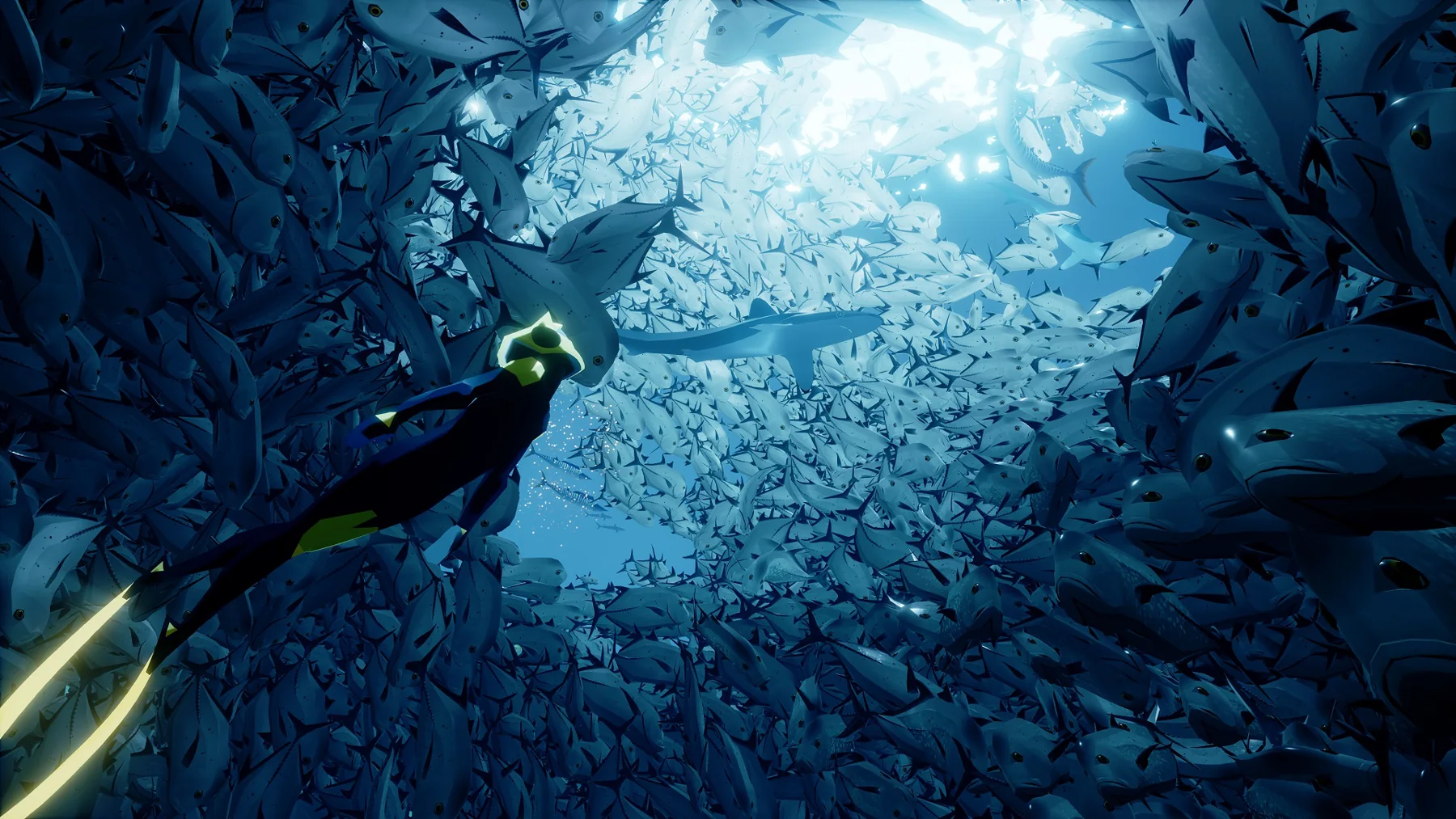
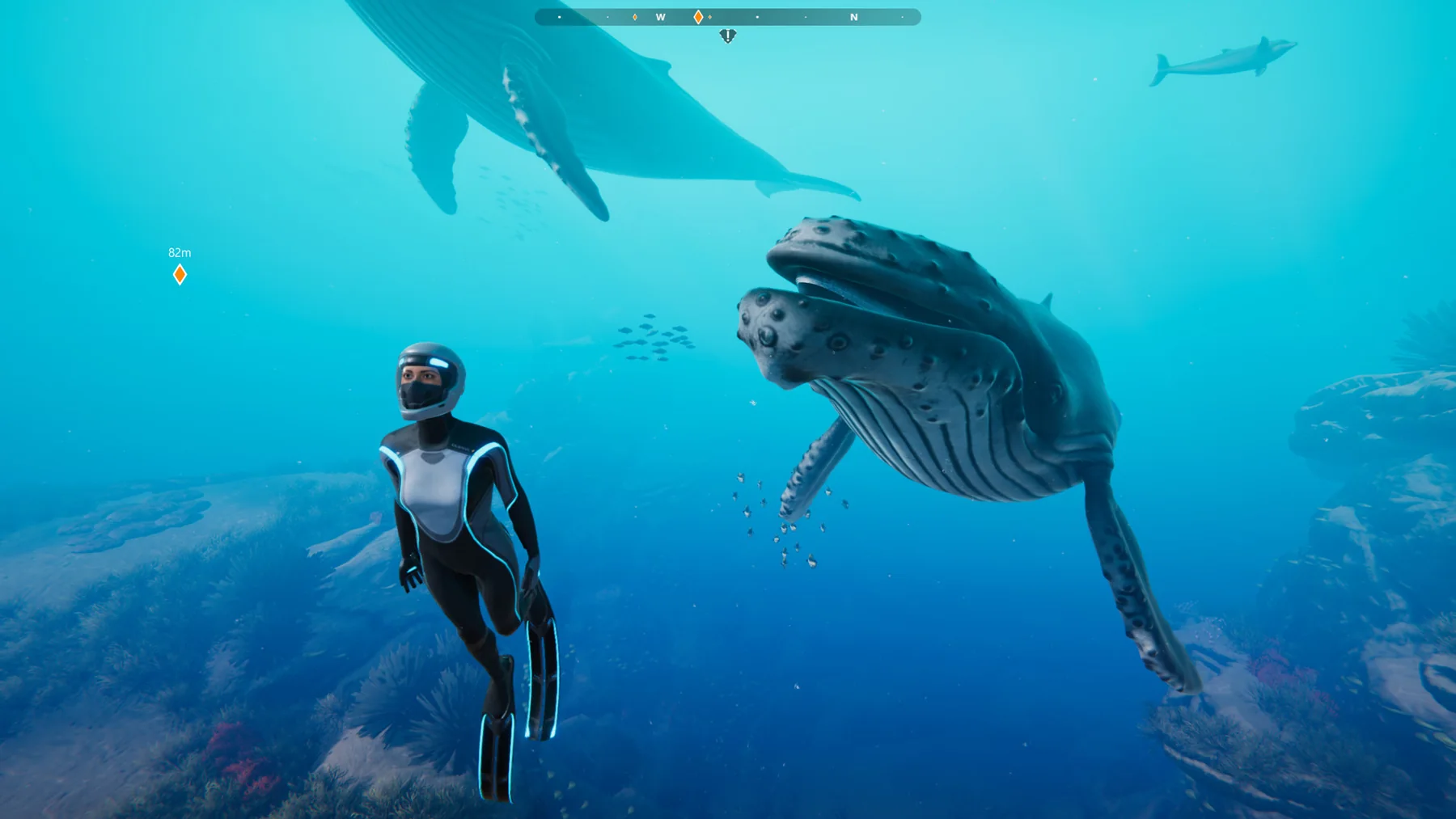
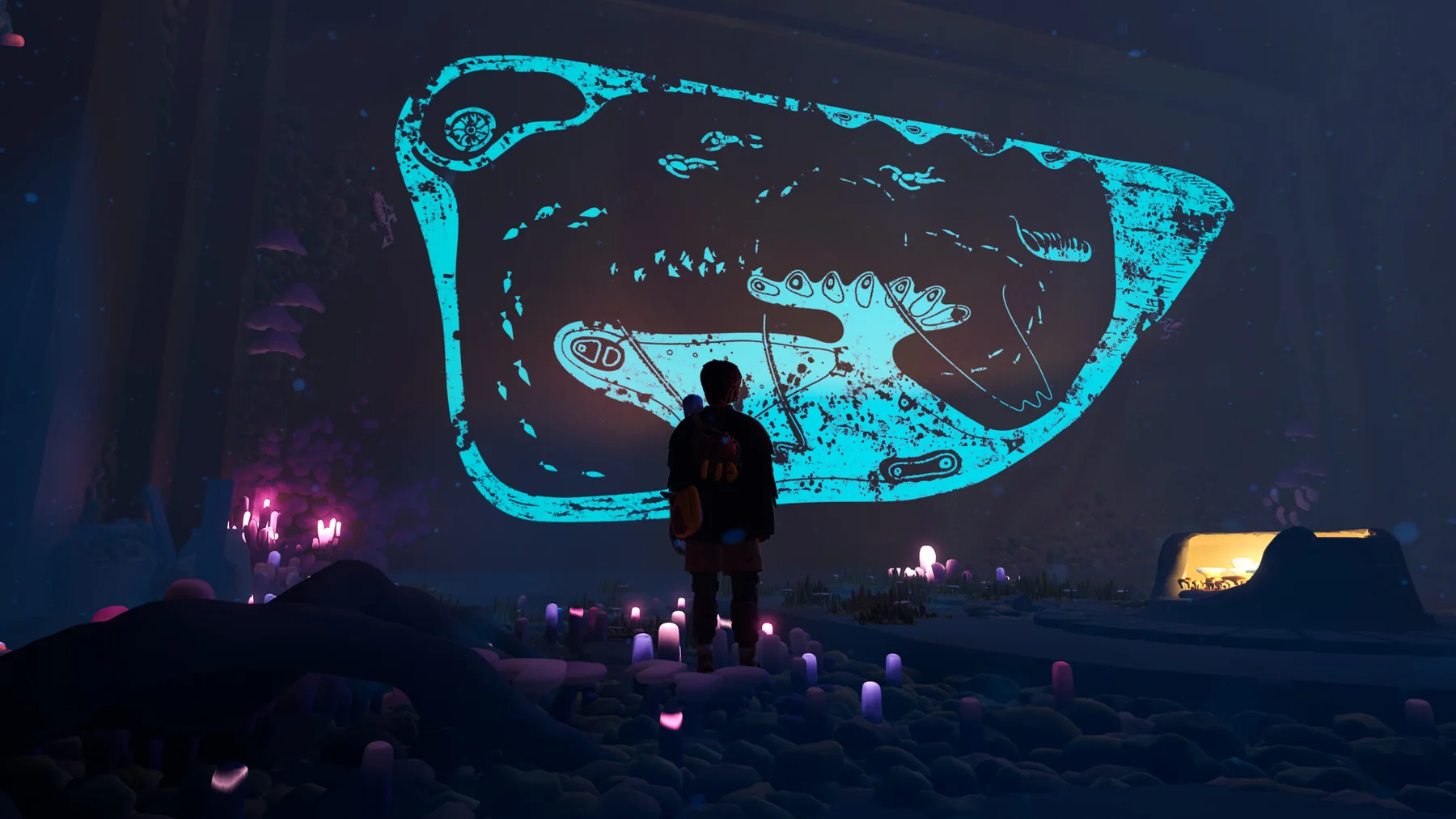
ABZÛ follows the Diver through kelp forests, coral reefs, and darker depths, pairing fluid swimming with responsive marine life and time to observe without an air gauge.
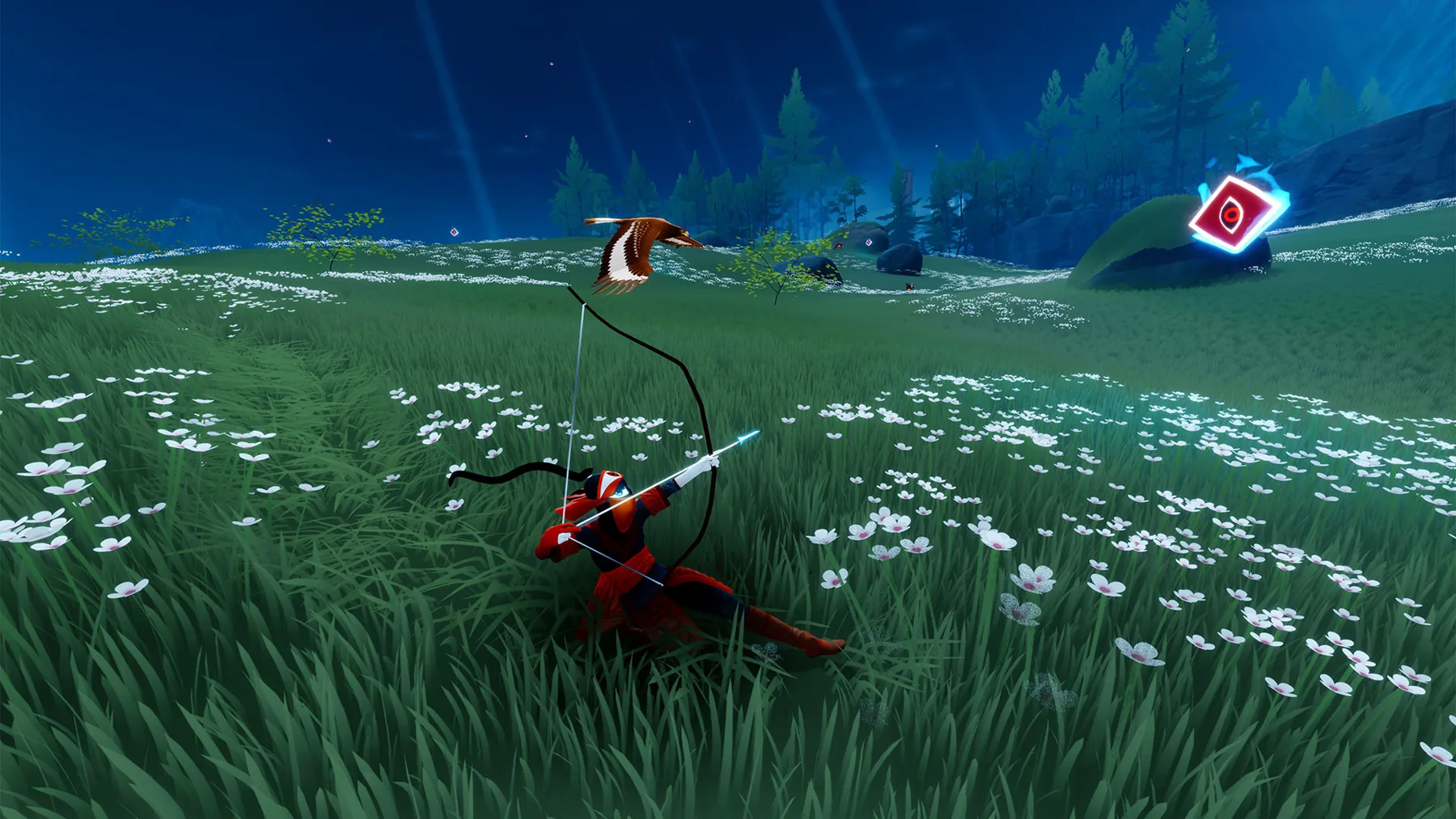
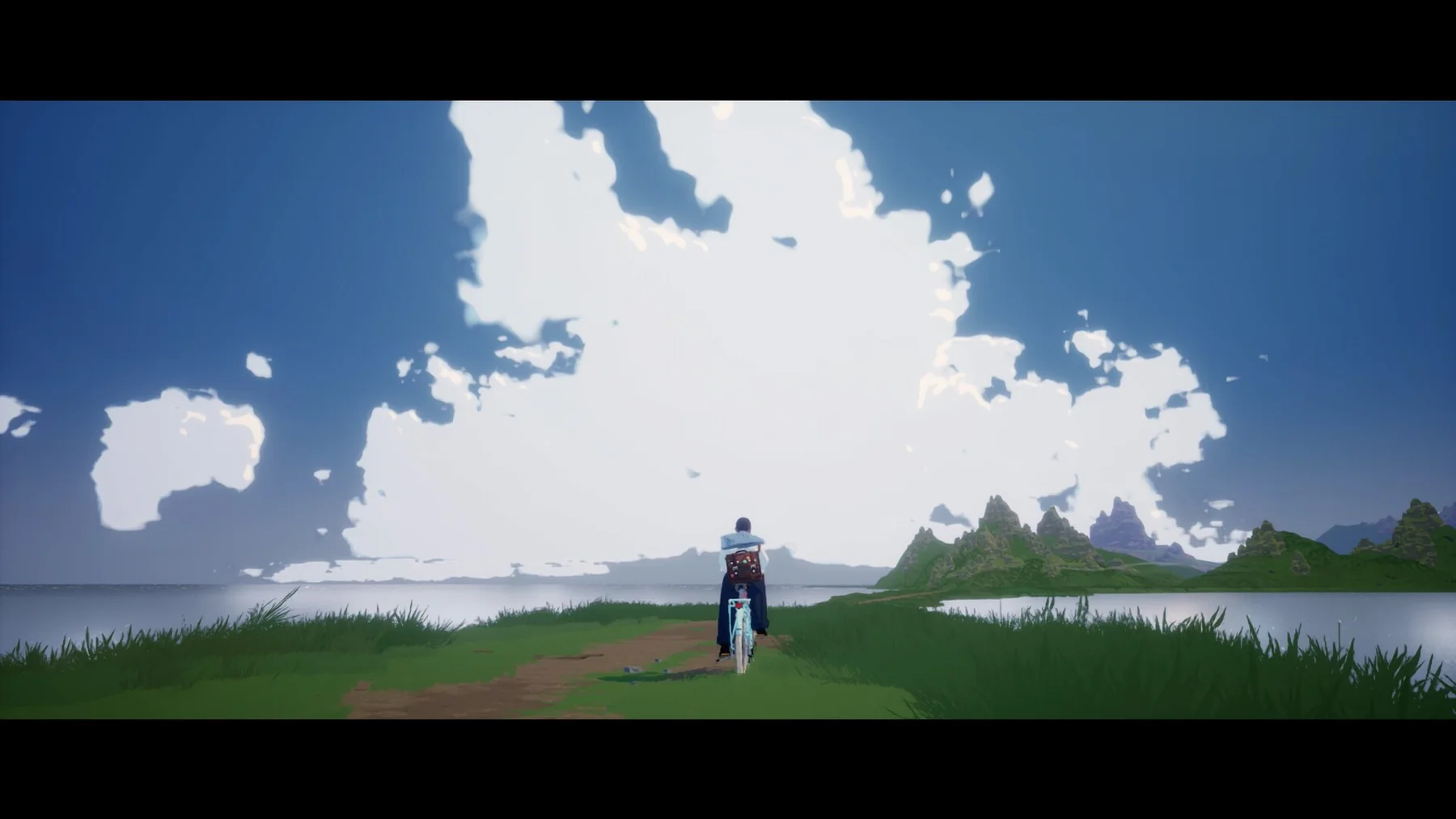
On The Pathless’s cursed island, a spirit mask reveals distant points of interest while talismans, an eagle companion, and collected crystals turn discovery into continuous movement.
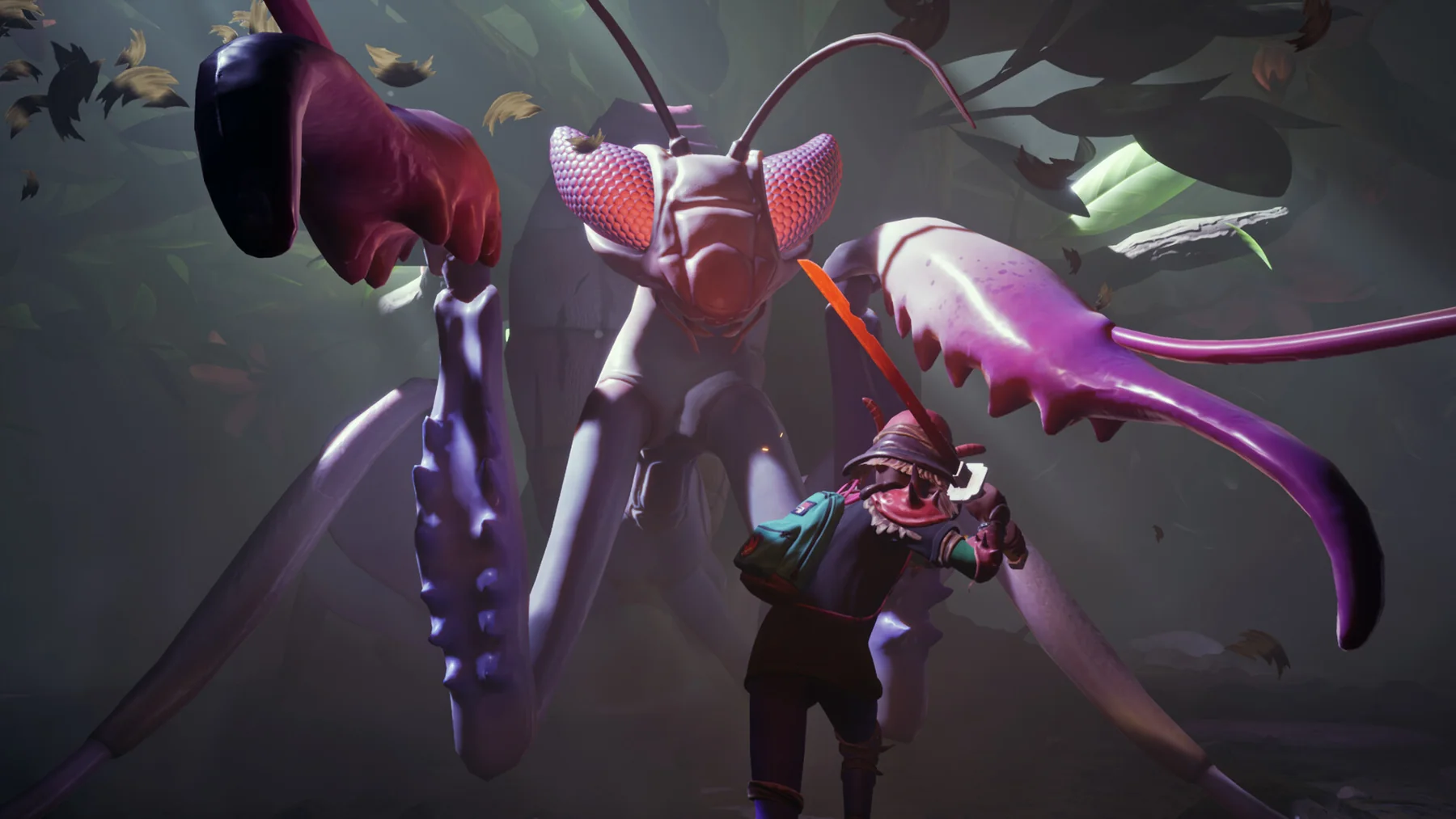
Grounded makes a suburban yard into a varied landscape of pond, termite den, hot sandbox, hedge branches, and Haze Lab, where materials, wildlife, and changing capabilities shape exploration.
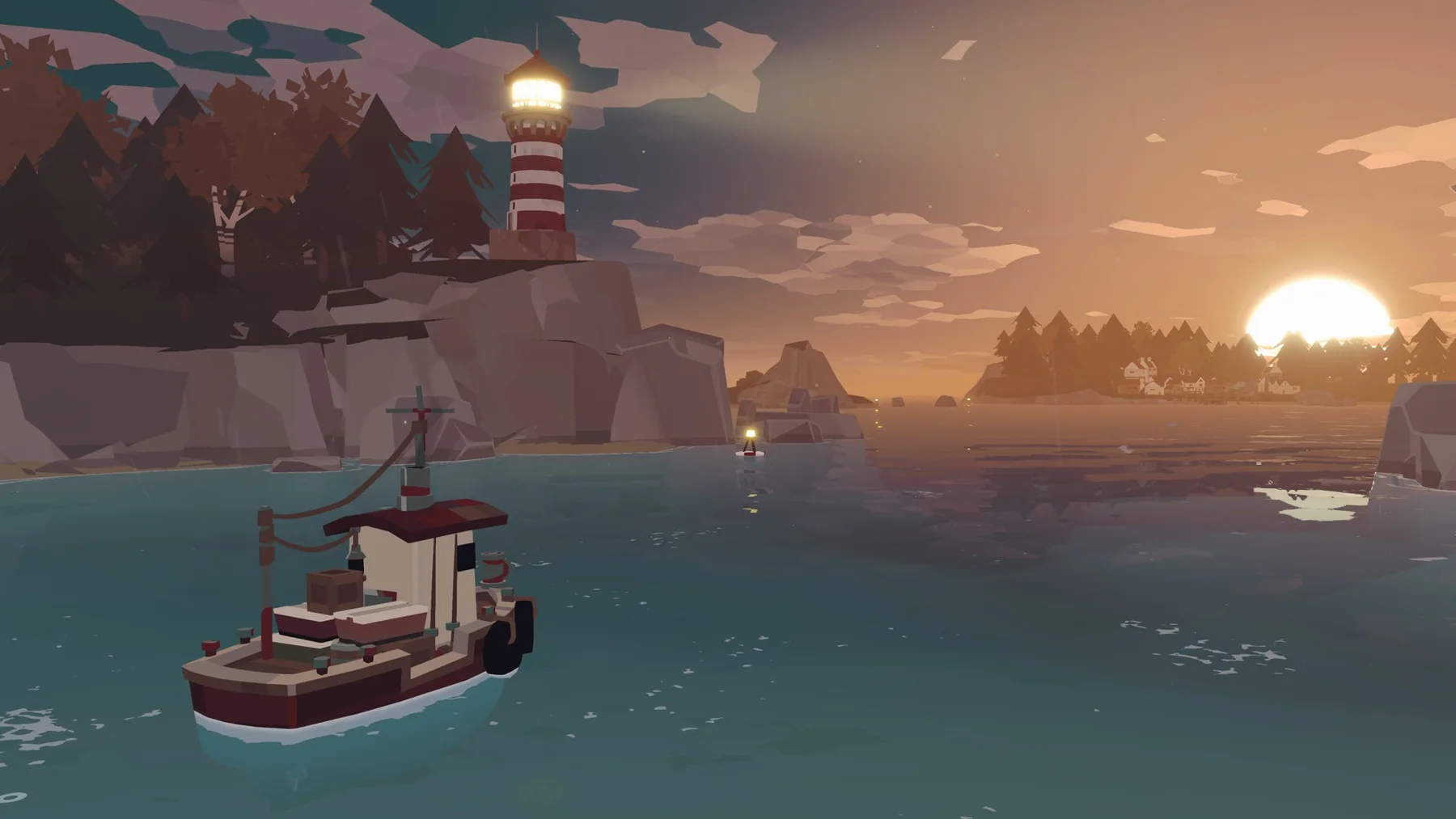
From The Marrows, fishing, dredging, and trawler upgrades open routes among remote islands, while reefs and night fog make each return part of the exploration.
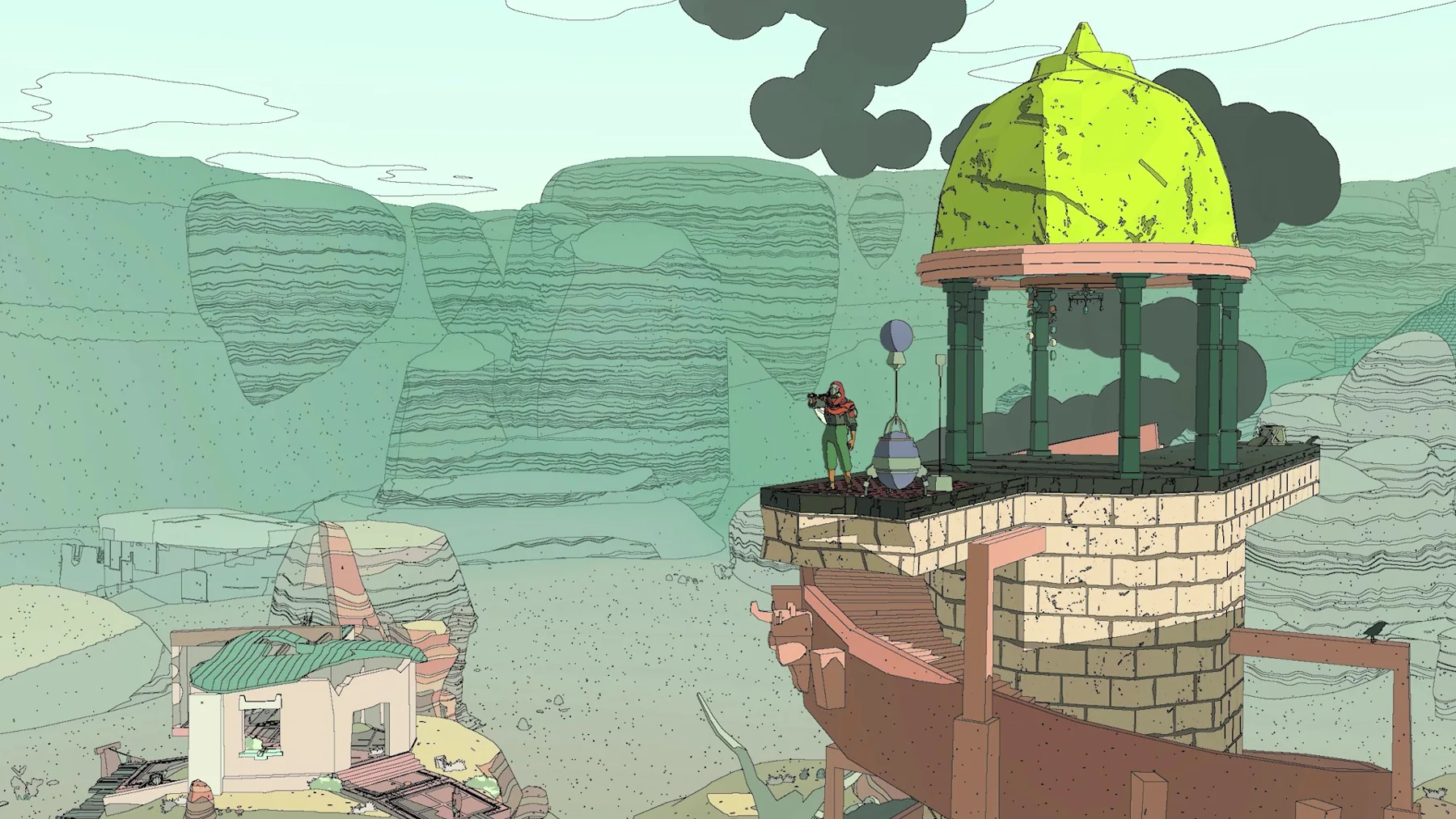
On Midden, Sable’s Gliding connects monumental ruins and spaceship remains with a customizable hoverbike, independent travel, desert fishing, and the Vivarium’s growing collection.
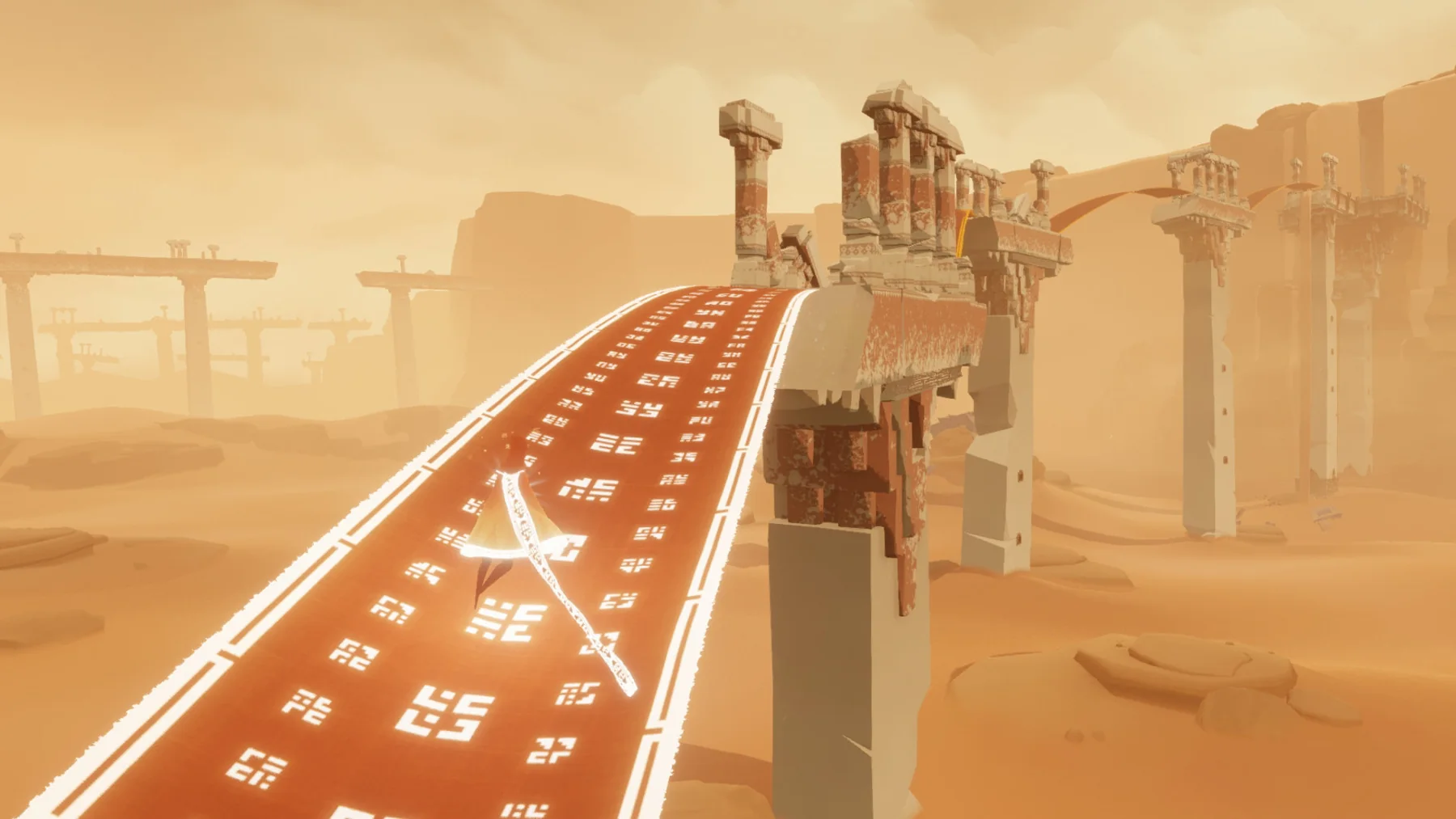
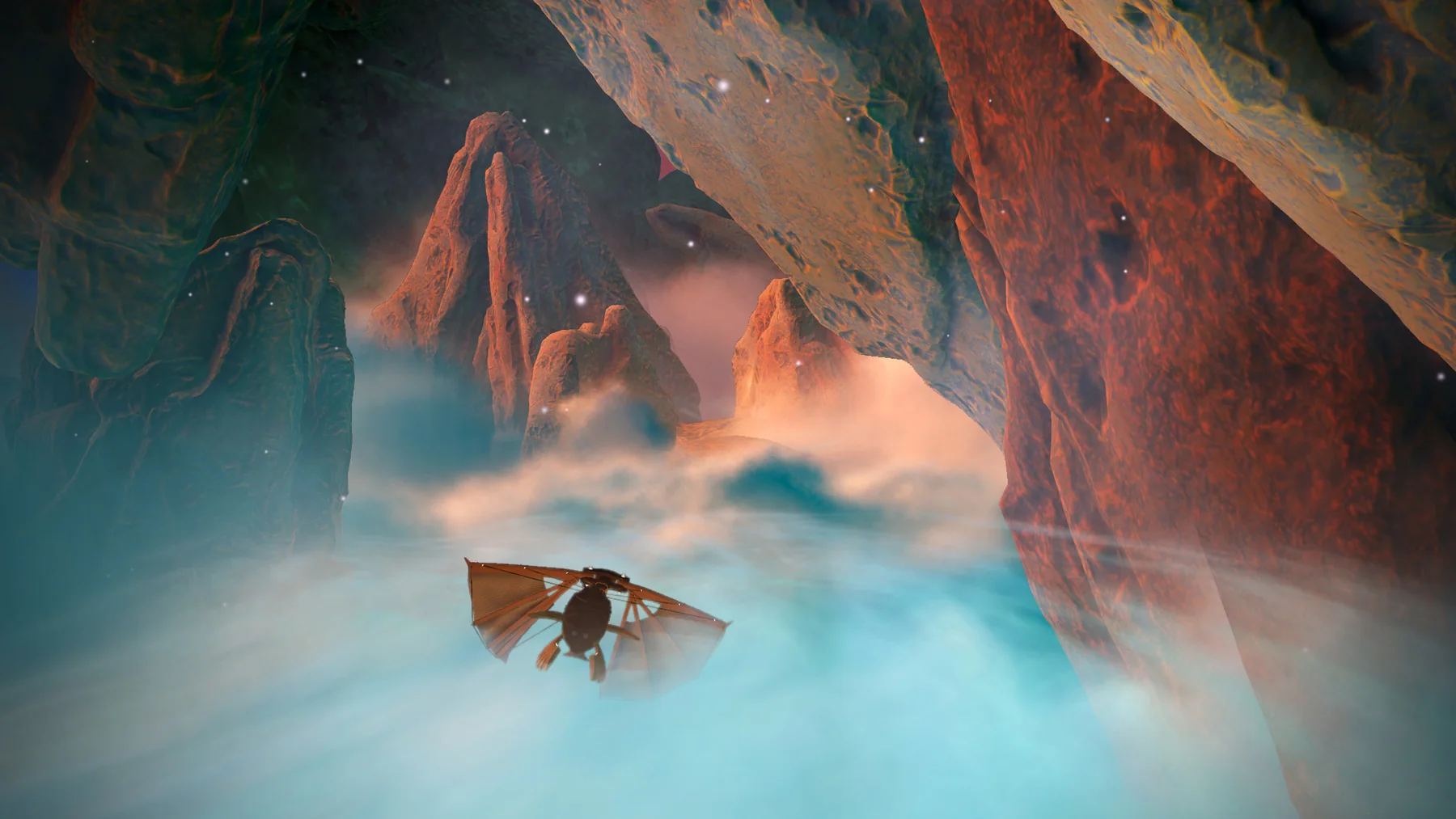
Journey’s anonymous crossing moves between ancient ruins and open sand toward a looming mountaintop, with gliding, cloth-assisted flight, and optional encounters shaping its pace.
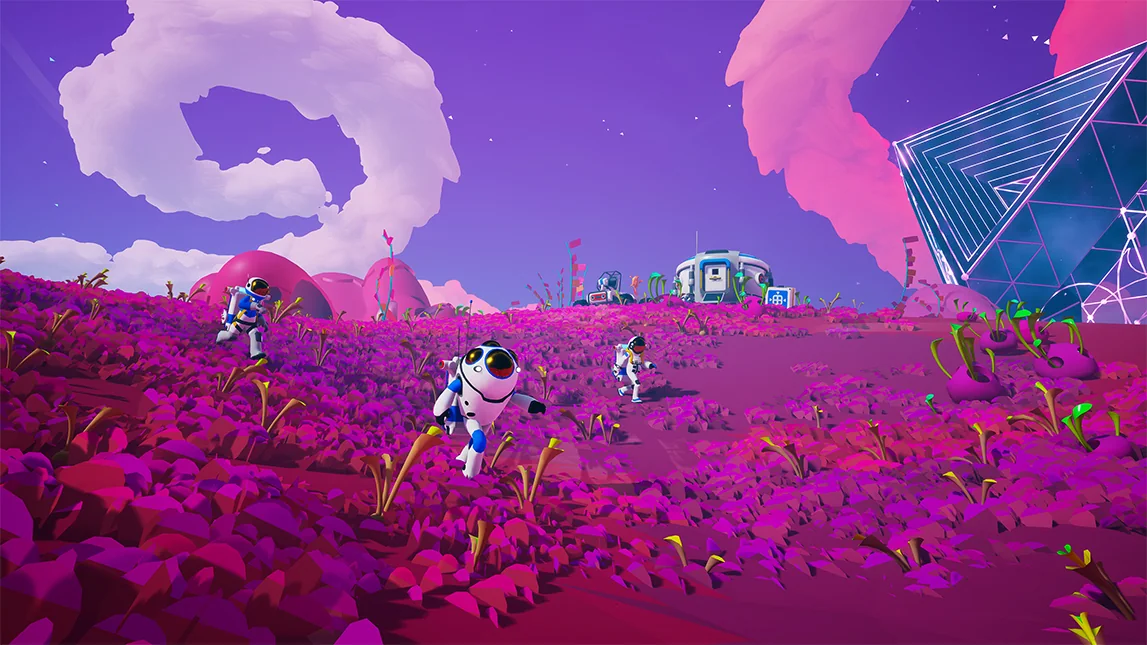
ASTRONEER links seven celestial bodies through hands-on terrain work: dig and reshape with the Terrain Tool, establish modular infrastructure, then use tether-aware boards or a fuelled VTOL to read difficult ground.
Beyond Blue follows scientist Mirai through research dives to track marine life, with Ocean Insights films connecting the fictional expedition to real scientists and ocean footage.
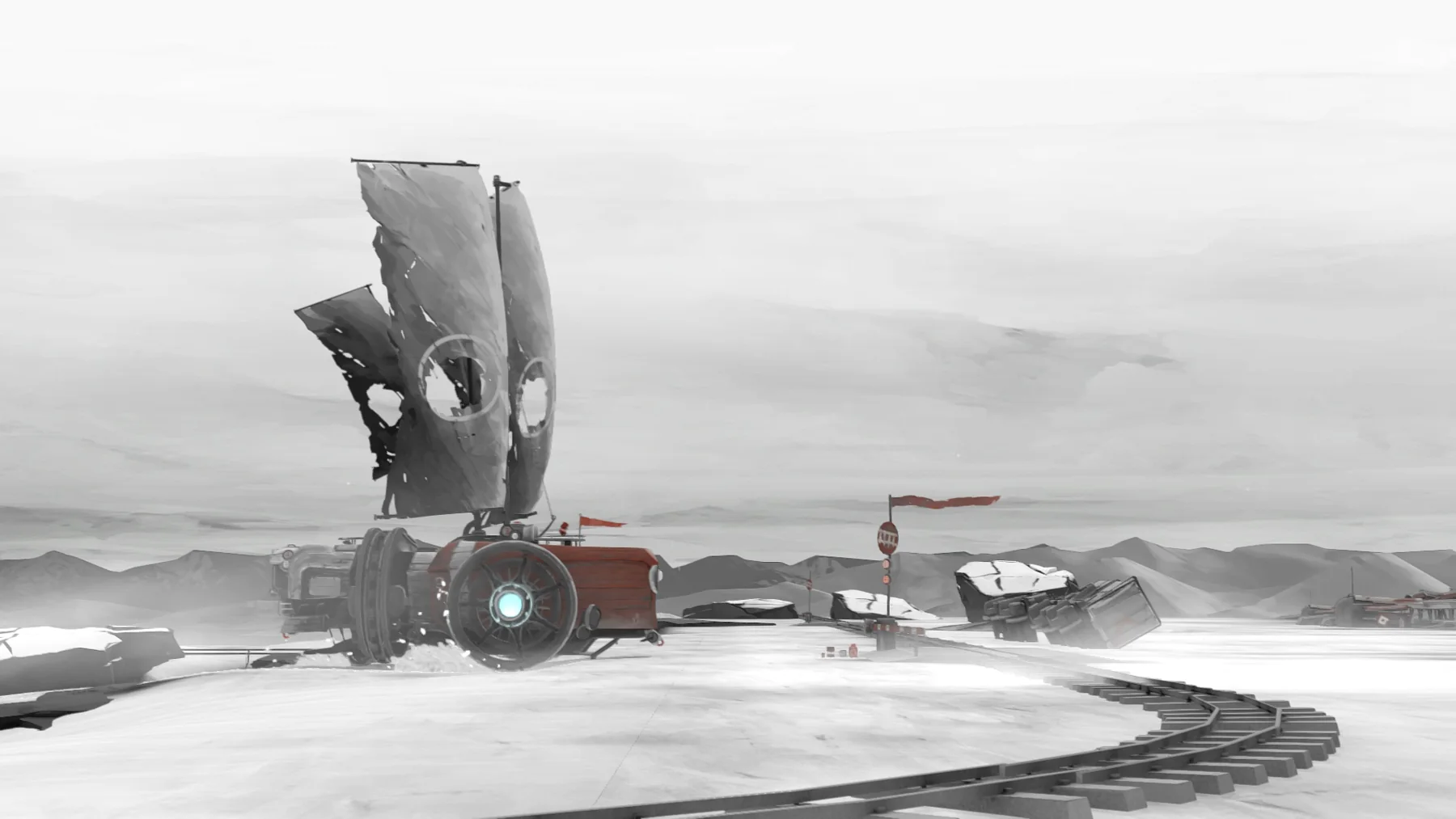
FAR: Lone Sails sends a train-like vessel across an ocean floor, past submarines, supertankers, roadblocks, and hilltop settlement ruins, with wind, fuel, and salvage shaping progress.
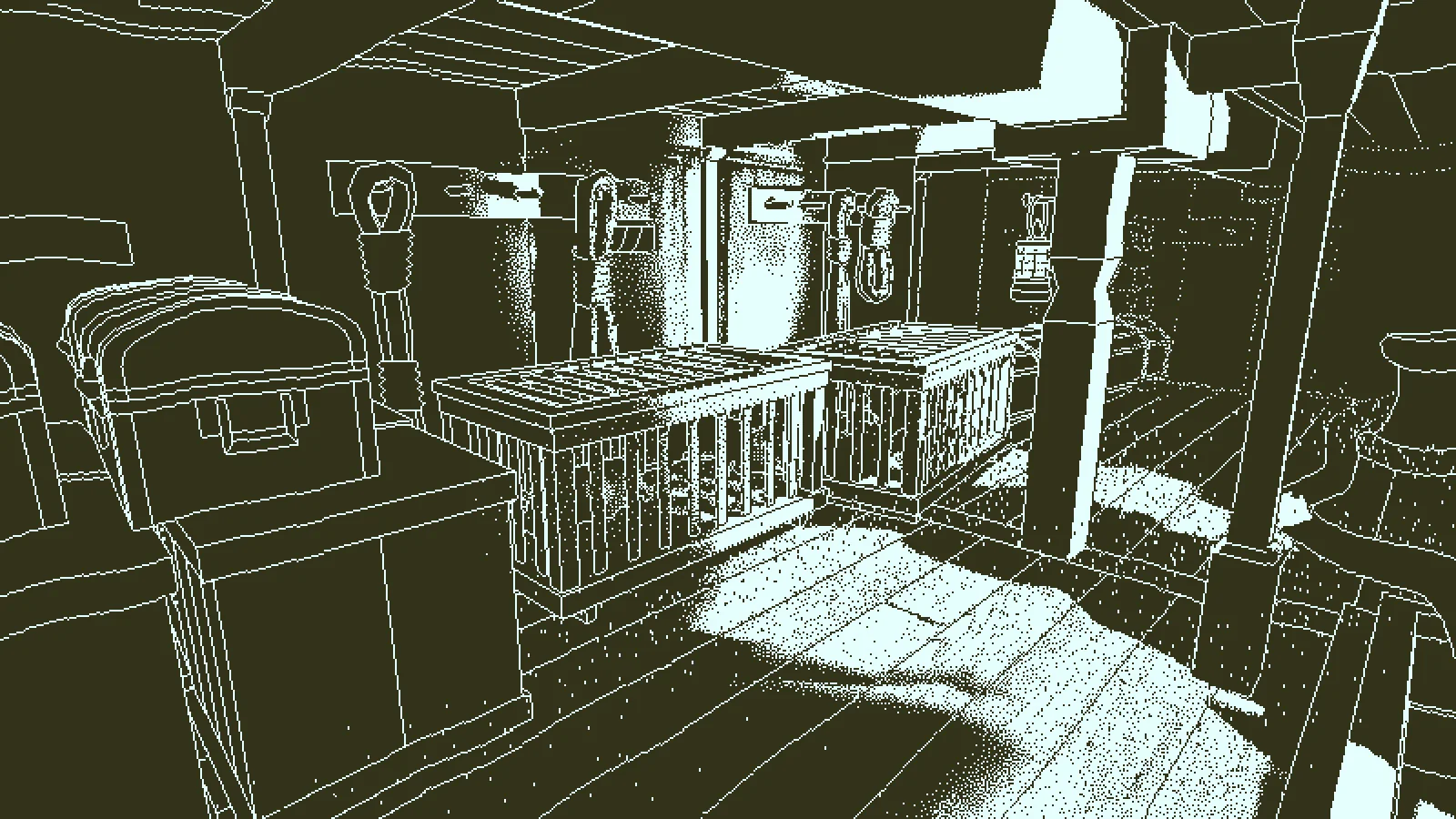
Aboard the fictional Obra Dinn, an insurance investigator pieces together a vanished crew’s history through death scenes, a chronology, maps, sketches, and cautious deductions.
Aliya Elasra and robot Six sail the Nightingale among lost moons, ruins, villages, and archaeological sites, where uncertain glyph readings can redirect the investigation.
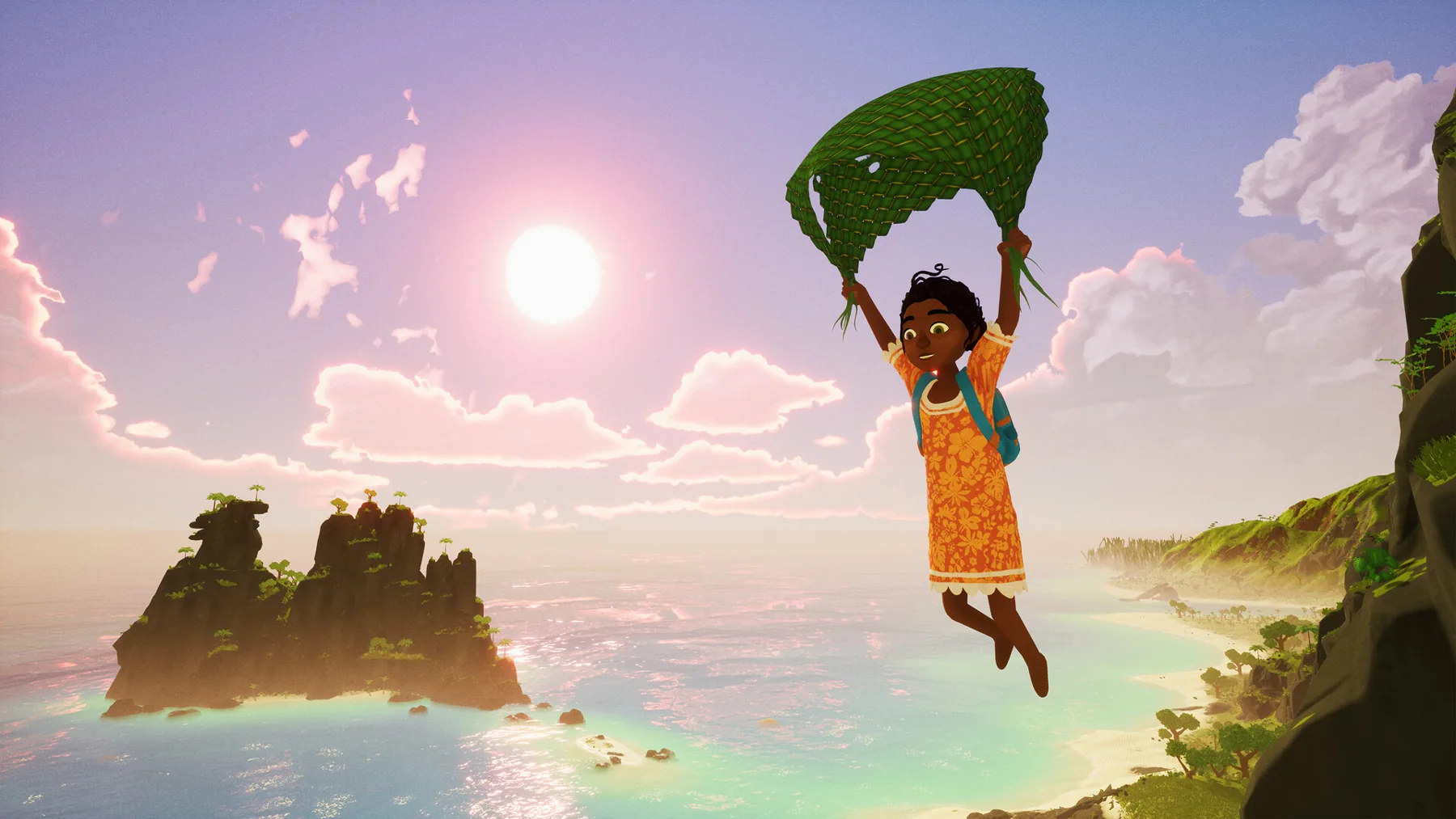
Tchia’s fictional islands, reefs, shipwrecks, and coconut trees turn traversal into a set of changing choices, from climbing and sailing to borrowing an animal’s movement.
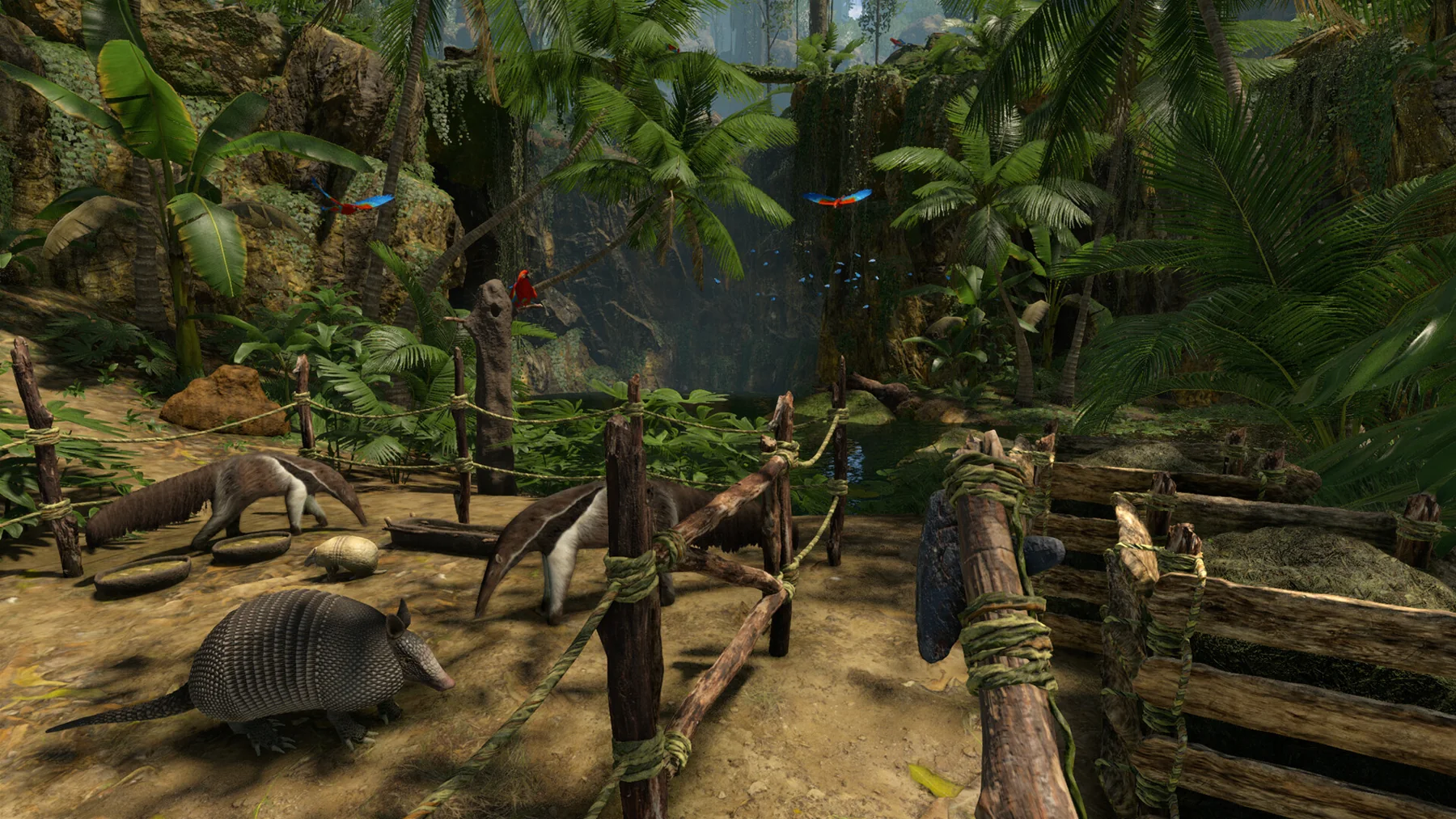
Green Hell frames Amazon exploration through Jake Higgins’s search for Mia, where resource gathering, body inspection, shelter building, and relationships with rainforest animals shape each decision.
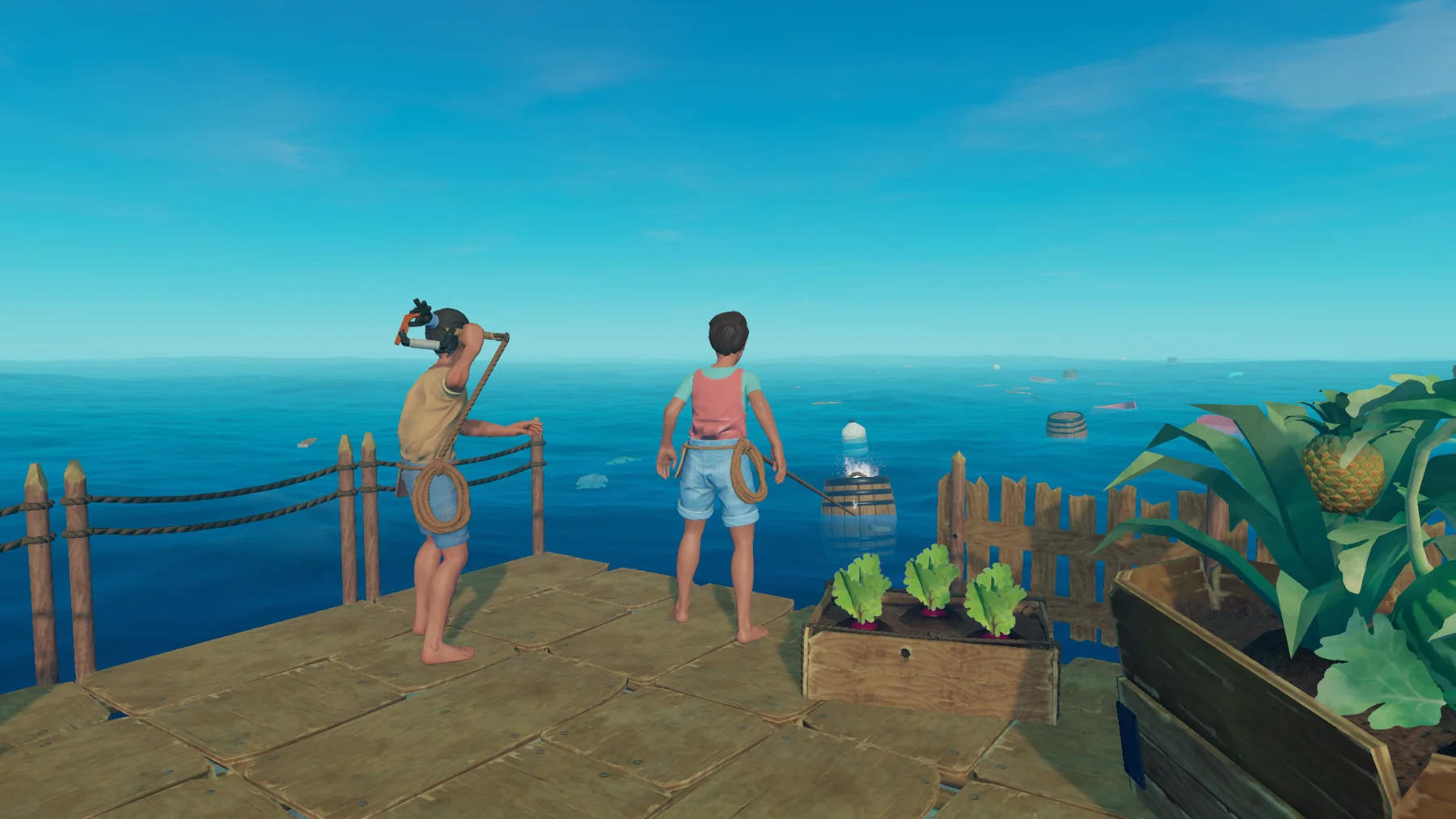
Raft turns a small floating platform into a mobile base, linking drifting debris, island resources, underwater exploration, Trading Posts, and story locations such as Varuna Point and Temperance.
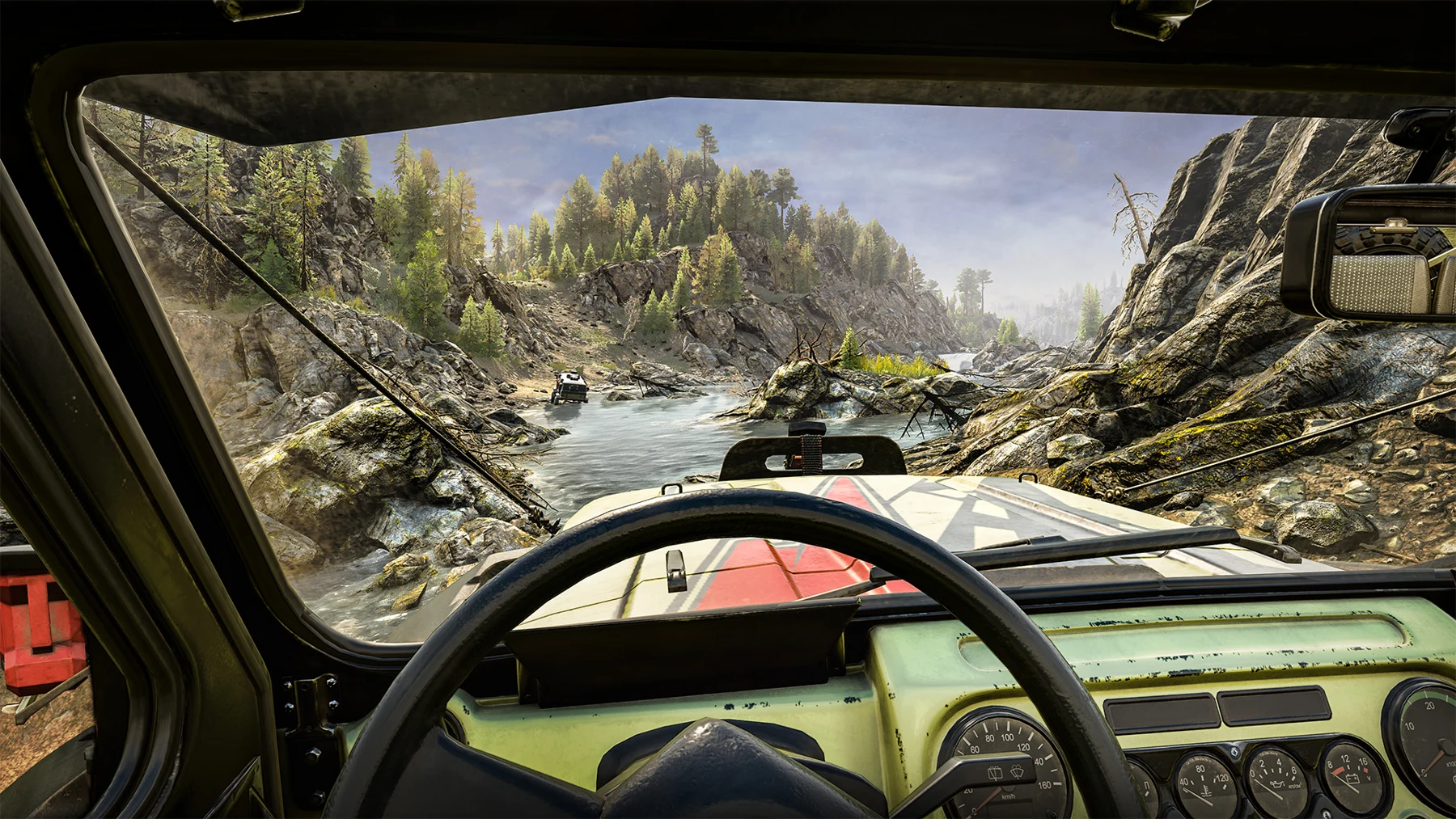
Research driving in Arizona and the Carpathians uses different tools for three different problems: seeing the route, measuring the water and finding a winch attachment.
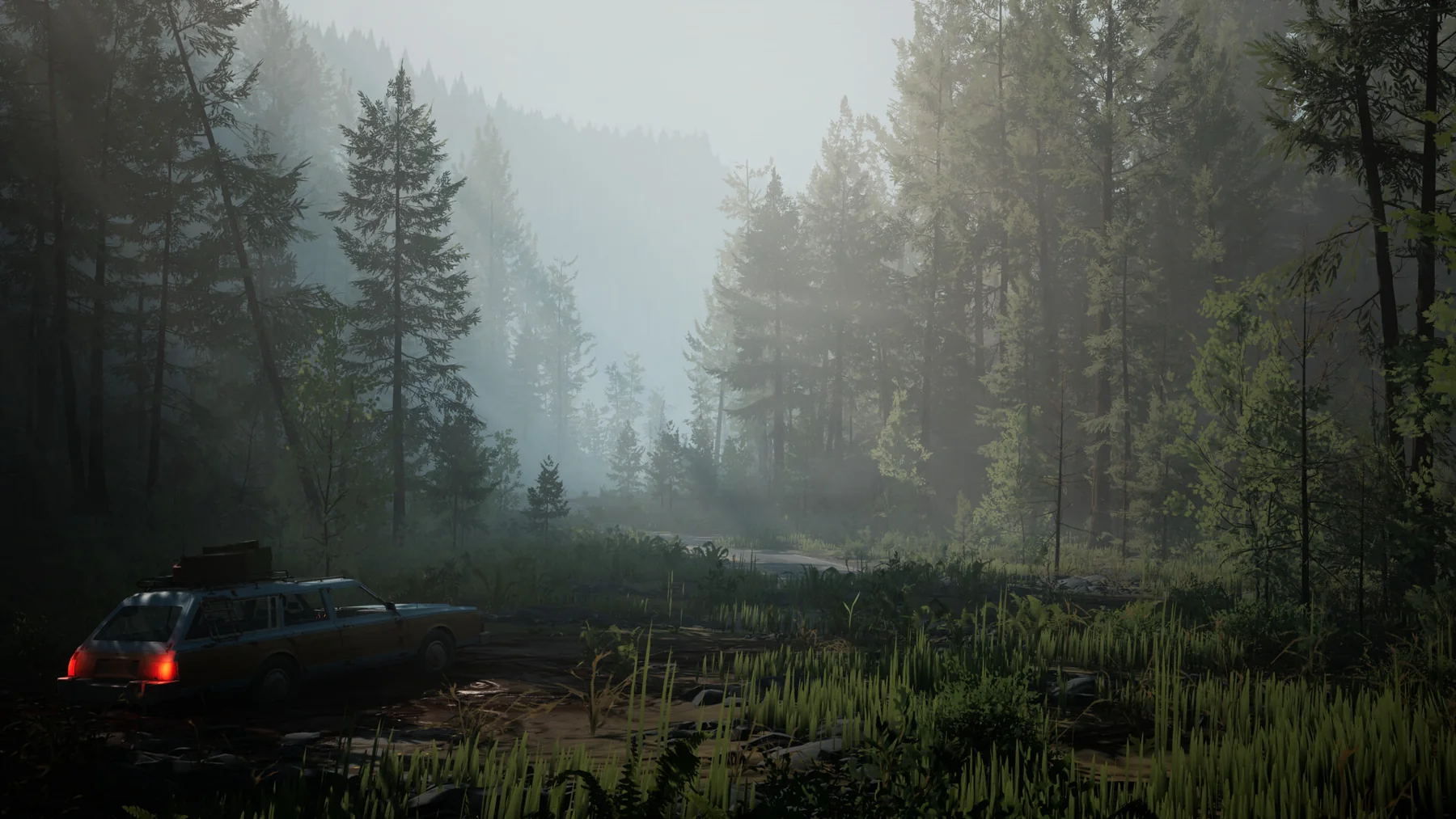
Pacific Drive makes each expedition a planned station-wagon run through the fictional Olympic Exclusion Zone, where forests, swamps, towns, radiation, anomalies, repairs, and a closing storm shape the return.
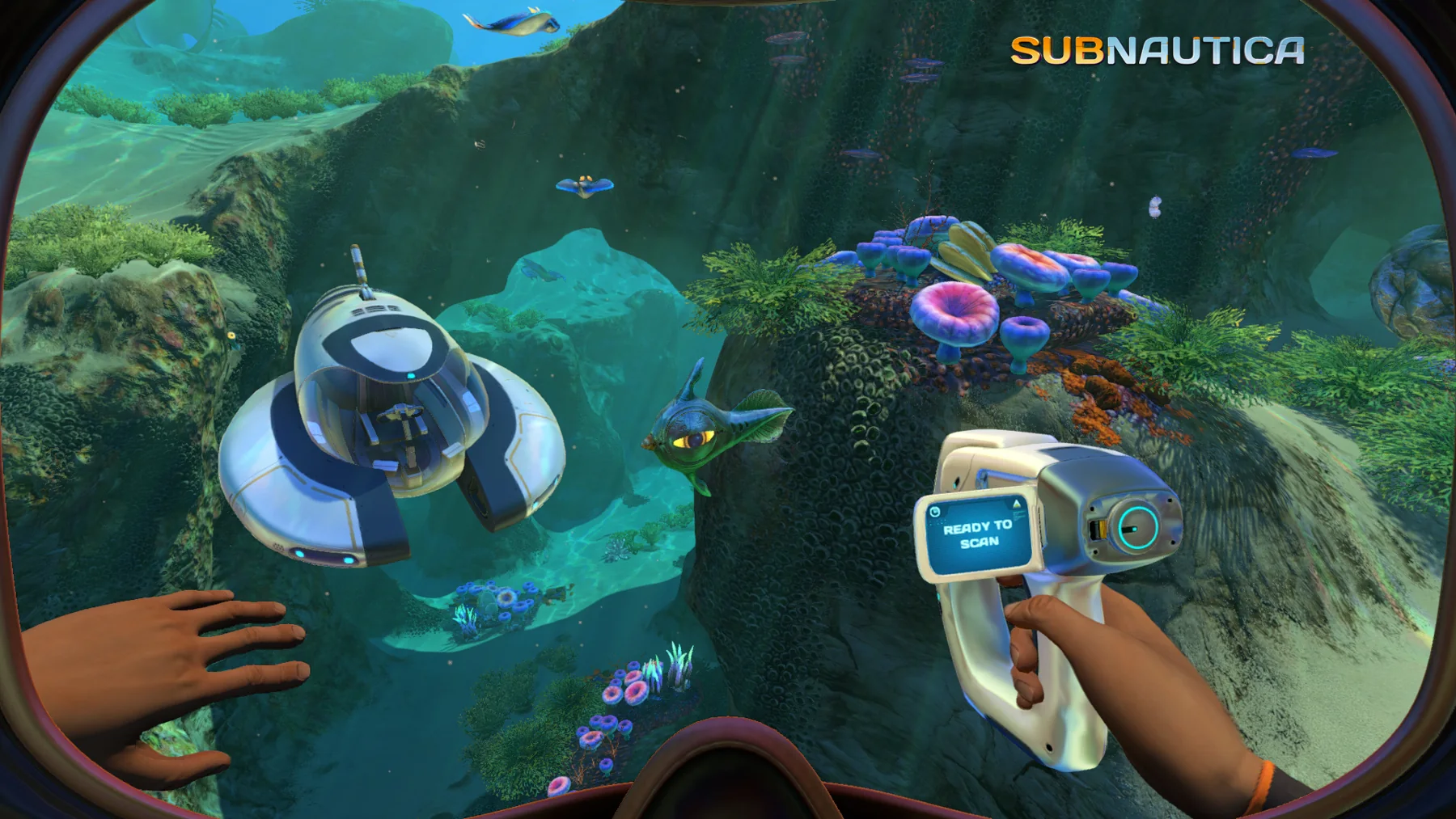
From the lifepod’s oxygen-limited dives to deep trenches, lava fields, and seafloor habitats, Subnautica turns exploration into a chain of practical choices about equipment, visibility, and return routes.
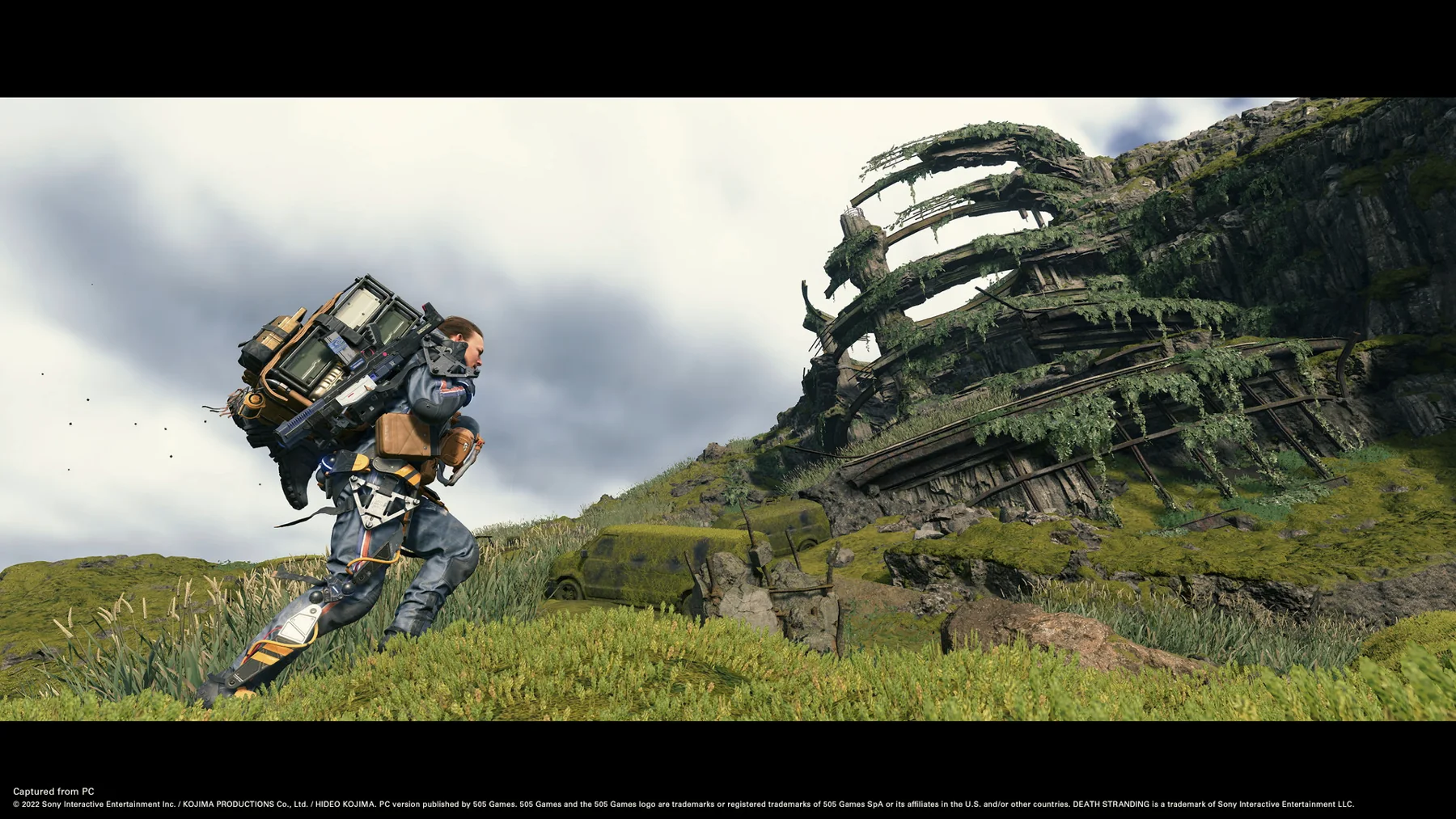
Between Capital Knot City and Port Knot City, Sam weighs cargo, reads terrain, and chooses among walking, a Reverse Trike, and tools for slopes and crossings.