From amphitheater to prairie dog town
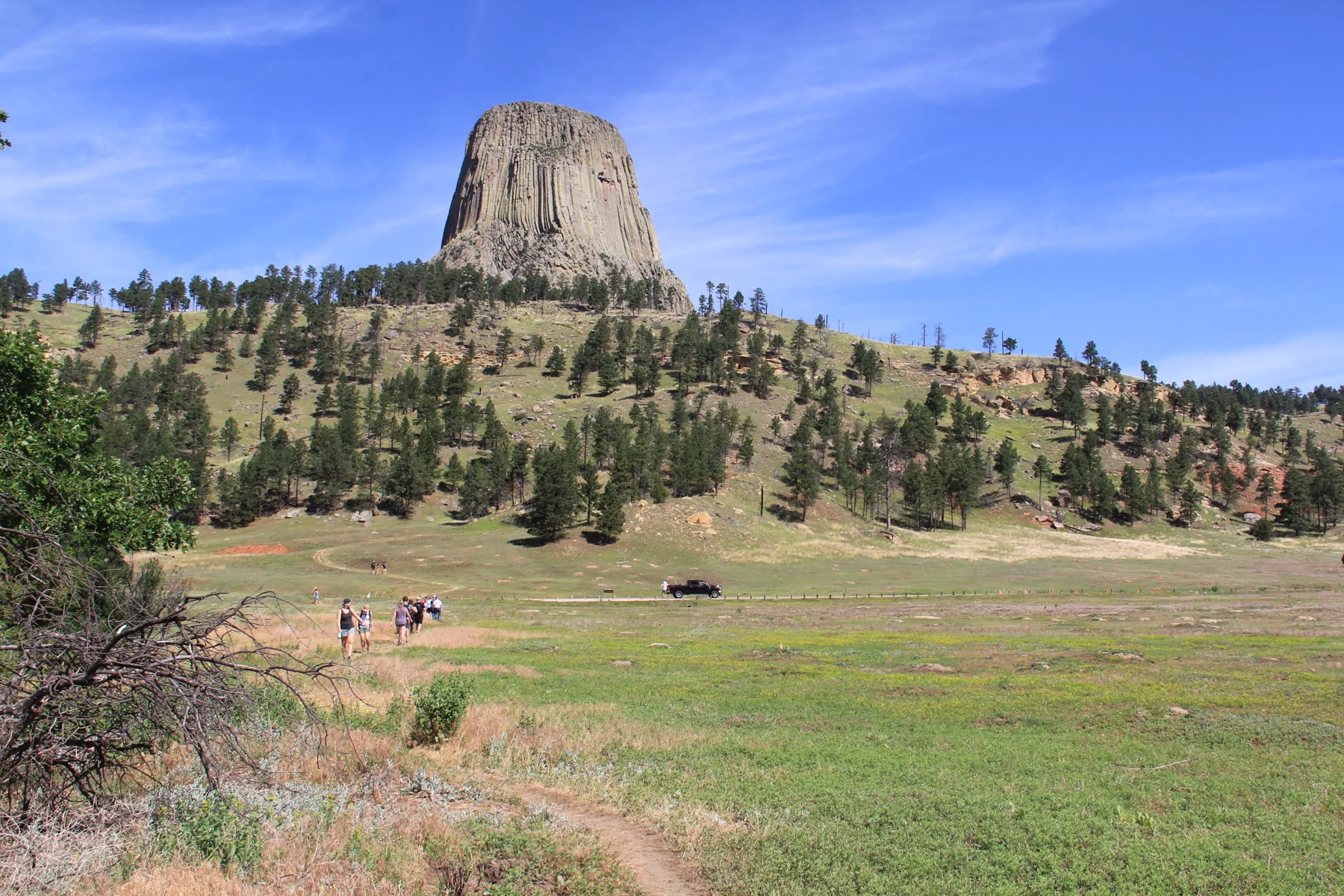
The South Side Trail begins at the park amphitheater, part of the Belle Fourche River hub. You can also join from prairie dog town pullouts along the park road or from Red Beds Trail. Starting at the amphitheater, the route first crosses the prairie dog town, then crosses the park road and climbs toward the Red Beds junction. That progression makes this a useful short walk as well as a connection into other park trails. NPS
On the prairie dog town section, packed dirt and relatively level ground make for an easy stroll. The trail is wide enough for two people here, though it is not wheelchair or assistive-device accessible. Burrows sit close to the path, so keep an eye on your footing and give the animals and their burrows space. NPS
The hillside changes the outing
After the park road crossing, the character shifts: the route narrows to a one-person width and switchbacks steeply uphill over loose rock and dirt. Rock stairs have no railings. This is the part that turns a relaxed prairie walk into a more demanding connection, so decide whether to continue before leaving the level ground. NPS
The hillside is relatively open, with sweeping views over the prairie dog town and Belle Fourche River valley as the trail gains height. The route ends at Red Beds Trail, which links onward with Valley View Trail, Joyner Ridge Trail, the visitor center, and Tower Trail. Those connections let you choose a brief out-and-back or fold this climb into a larger outing. NPS
Choose how far to go
The trail itself is 0.6 mile one way. A short return on the same path keeps the outing focused on the prairie dog town and hillside; for a circuit, the amphitheater-to-Red Beds-to-Valley View combination makes a 1.5-mile loop. The listed amphitheater-to-visitor-center out-and-back via Red Beds is 2.6 miles roundtrip. NPS
Starting from the amphitheater, park in the picnic area or campground. If you are already along the park road, its prairie dog town pullouts offer another access point. Pets are not allowed on any hiking trail in the park, a practical constraint when choosing who joins the outing. NPS
Pick conditions with care
The trail is open year round, but it is not maintained in winter. Snow can hide burrows, and packed snow and ice are common; together with the rocky climb, that can make the route treacherous. Spring and fall are suggested as the best times to hike. NPS
Summer brings direct sun across most of the trail and can be very hot. Daylight, dawn, or dusk are recommended because the hillside may be dangerous when dark. The route’s mix of exposed terrain, narrow rocky steps, and a gentle lower section makes conditions and turnaround choices especially relevant here. NPS
Sources & further reading
Sources, dates, or details to query? Read our editorial approach.