Walking to the carvings
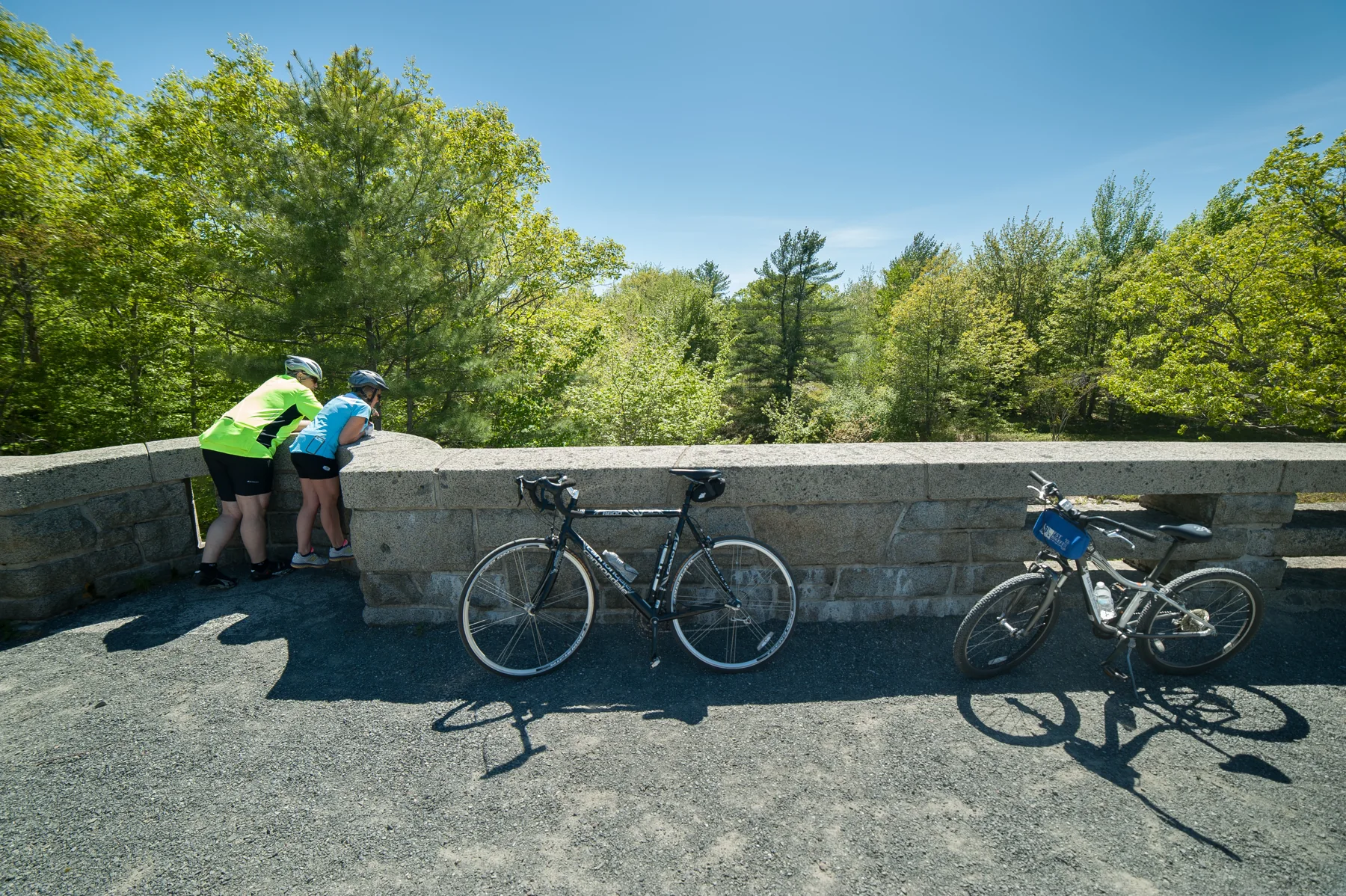
The Petroglyph Boardwalk lies about 1/2 mile from the park visitor center, a 10-15 minute walk. It can also be reached from the beach area by following signs toward the visitor center. The petroglyphs are accessible only by hiking trail, along the park’s Mauka-Makai Trail to the beach. NPS
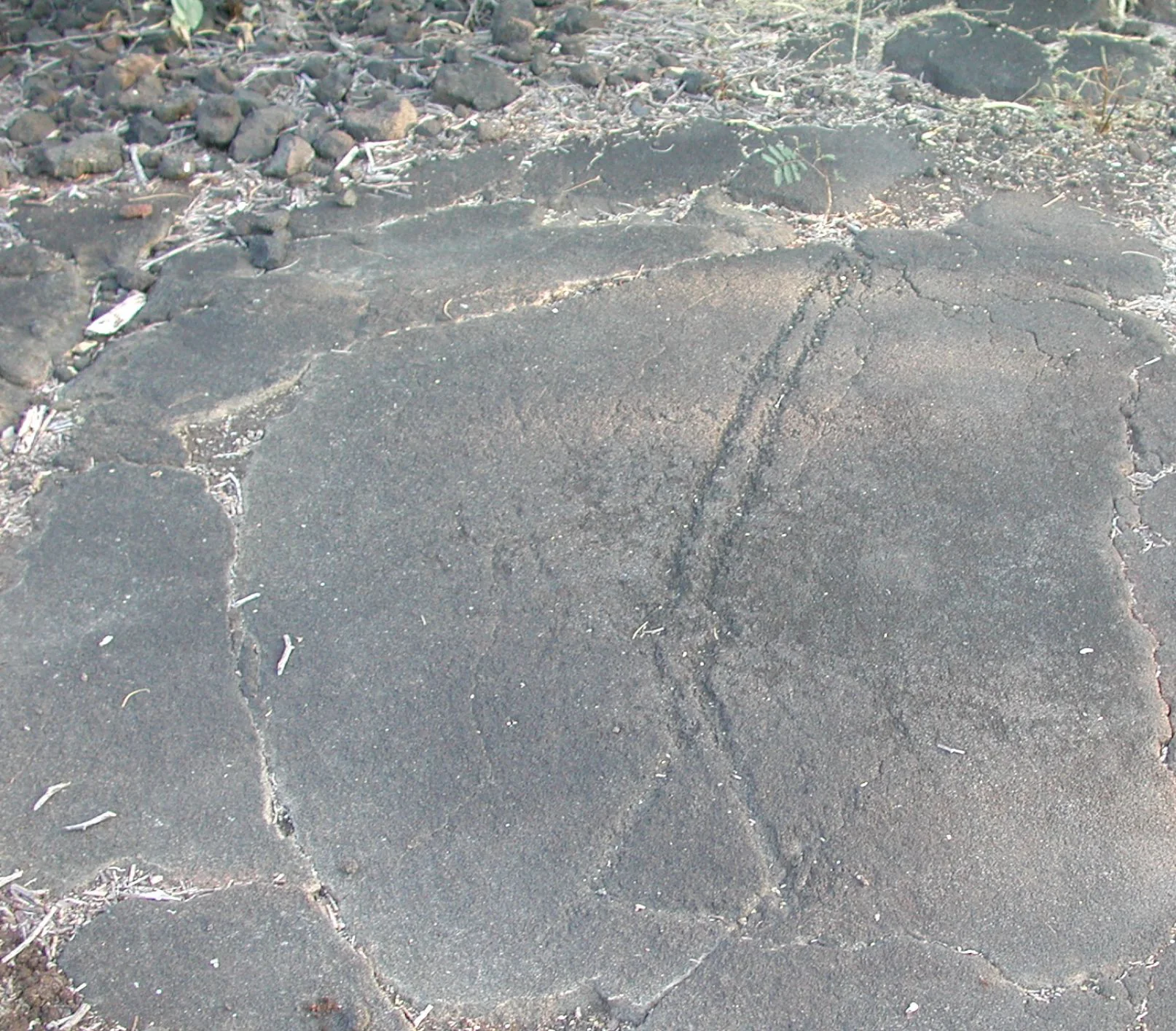
The trail is mostly flat, but its surface shifts from rocky gravel to smooth pahoehoe lava. Closed-toe shoes make sense on that mixed footing; bring water and sun protection. The boardwalk narrows the visit to a protected viewing route, and staying on it is essential because feet can easily damage the petroglyphs. A brochure is available in the metal box at the boardwalk entrance; return it for the next visitor. NPS
A record in horizontal stone
The carvings were pecked and cut into horizontal rock surfaces. Their forms vary in size and shape: human-like figures with spears, cannon representations, sailing ships, and flintlock muskets. The visual language foregrounds power and conflict, though the presence of figures interpreted as female complicates any single reading of the scene. NPS
The park’s account places these images within a Hawaiian world shaped by relationship to land, nature’s gods, and seasonal cycles. It describes the time of Kū as a period of battle and makahiki as a season of ended fighting, family life, and harvest celebration in honor of Lono. The imagery may connect to these cultural frameworks, or preserve episodes of daily life; meanings are not fully recoverable. NPS
Look closely, leave the surface untouched
Some petroglyphs may date to the 1800s, when Hawaiian culture was changing under Western influence and contact with Europeans. Names and guns in the imagery raise questions about safety, status, and warfare, but remain prompts for interpretation rather than settled answers. The carvings record a society meeting change, and invite viewers to consider how power and violence sit alongside celebration and connection to place. NPS
Dawn and dusk are the best times to view the petroglyphs. Pets are allowed on the main park trail with a 6-foot leash, but the boardwalk itself calls for attention to the ground and the fragile rock. A measured pace and a pause at the panels reward observation without stepping beyond the protective route. NPS
Route facts
From visitor center: about 1/2 mile, a 10-15 minute walk. NPS
Surface: Mostly flat trail over rocky gravel and smooth pahoehoe lava. NPS
Viewing: Petroglyphs are best viewed at dawn and dusk. NPS
Sources & further reading
Sources, dates, or details to query? Read our editorial approach.