Find the trailhead west of the visitor center
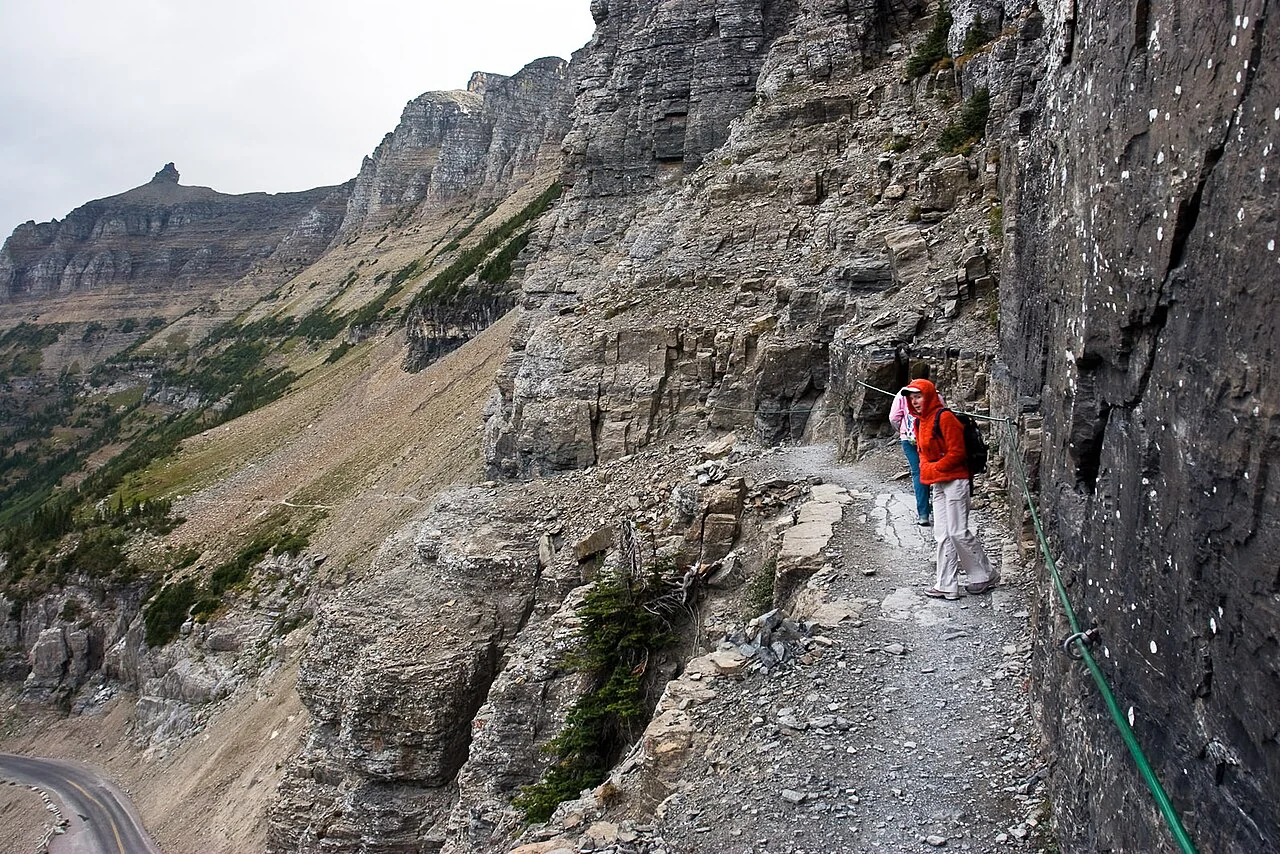
The parking area for Coronado Cave Trail is on the north side of East Montezuma Canyon Road, approximately .25 mile west of the visitor center. The hike to the entrance is .5 mile with an elevation gain of 500 feet. Its dirt and loose rock surface, numerous stone steps, and moderate difficulty set expectations before the cave begins. NPS
Check in at the visitor center for information about cave safety, preservation, geology, and ecology. No permit is currently needed. Pets are not allowed on the Cave Trail or in the cave, and the cave closes between sunset and sunrise. NPS
A steep threshold
At the entrance, an approximate 30 foot scramble over slippery rocks descends to the cave floor. The approach and descent call for sturdy footwear and careful attention to footing; in steep or technical spots, the park advises maintaining three points of contact. The hike is rated moderate to moderately strenuous. NPS
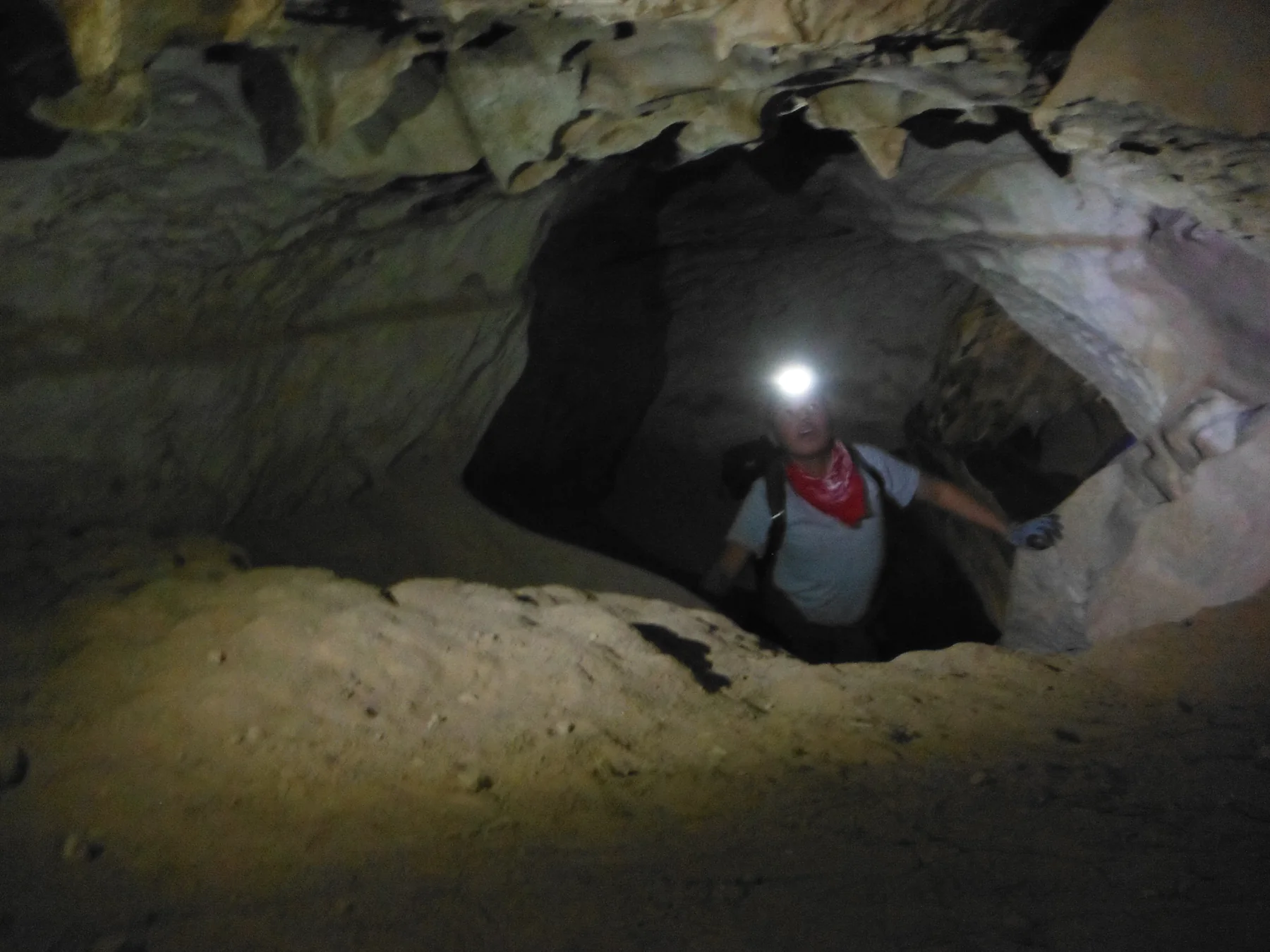
The cavern is 600 feet long and in most places about 70 feet wide. It is one of the few open, undeveloped caves in southern Arizona, so the visit asks for self-reliance as well as care: do not explore alone, tell someone where you are going and when you expect to return, and have an emergency plan. NPS
Bring light and protect the formations
The back of the cave is pitch black. Bring at least TWO sources of light and extra batteries; a smartphone flashlight does not count as a source. Gloves help prevent oils from hands from damaging formations and inhibiting new growth. A helmet is not required by park regulation, but is recommended as good practice. NPS
Inside, avoid touching cave walls or formations, and leave rock fragments and artifacts where they are. No smoking, eating, littering, or open flames are allowed in the cave; pack out what you bring. Loud talking, yelling, and music can disturb bats, which are sensitive to noise. NPS
The cave’s layered human history
Coronado Cave became part of the national memorial in 1978, when the park expanded its boundaries. It may have served as shelter and a hideout for middle archaic people up to 8000 years ago, and later may have been used by Chiricahua Apache and other Apache peoples, miners, and settlers. No archaeological evidence remains in the cave today. That history makes restraint on the slippery descent and within the cavern part of how the place is experienced. NPS
Sources & further reading
Sources, dates, or details to query? Read our editorial approach.